I’ve been collecting retro games since I was a kid, and I still have many of them. For years, though, “collecting” and “playing” were two different hobbies. I’d buy the games, shelve them, and go play whatever new release had just come out. The collection was always going to get played “one day.” To be fair, sometimes they do, just not as often as I would like.
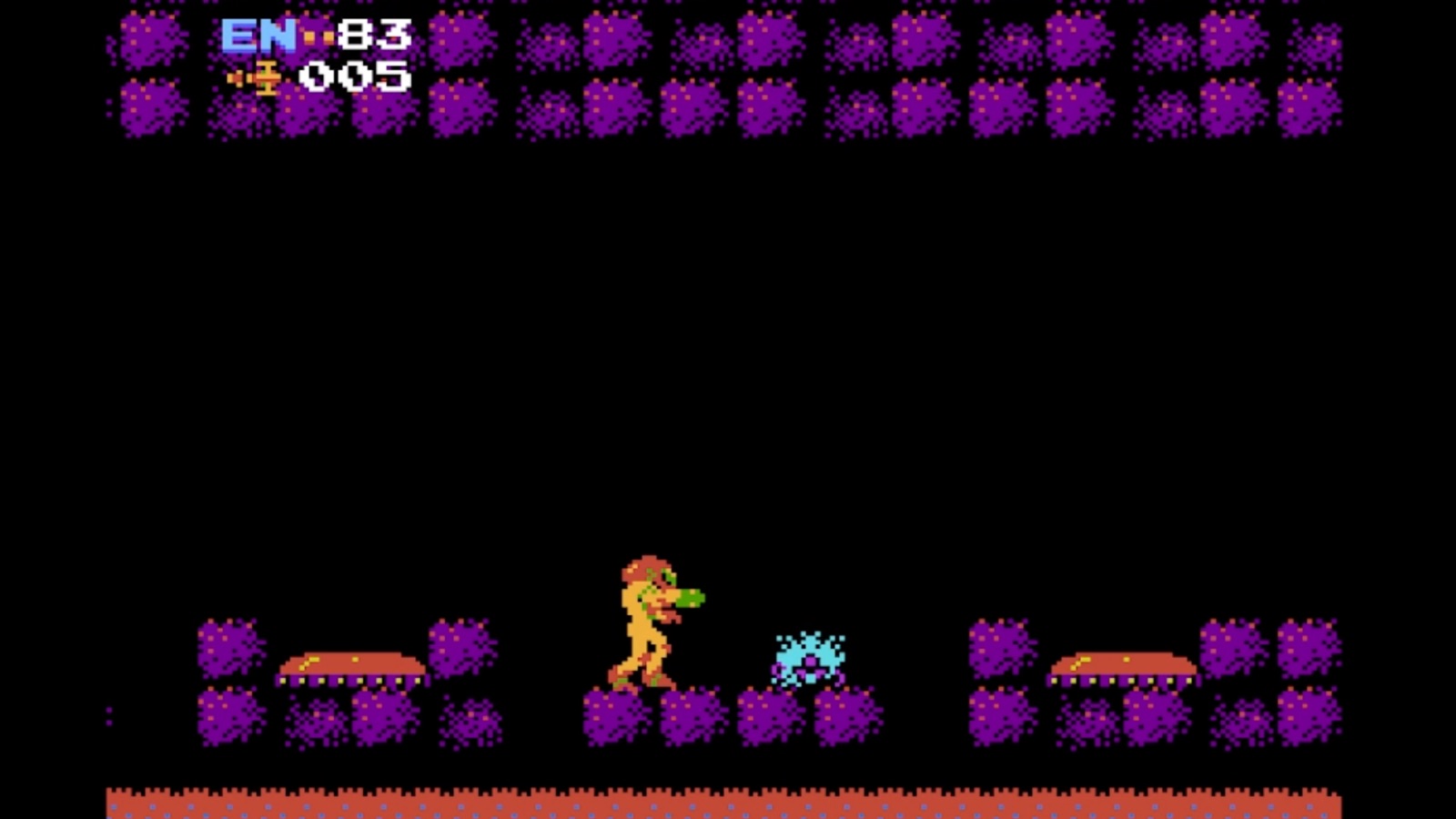
That started to change about a year ago, when I decided to emulate the original Metroid on my computer. I hadn’t played it as a kid, and I knew it was a highly-regarded game, so I felt like it was something that as a gaming hobbyist and creator, I had to beat. And I had an amazing time with it.
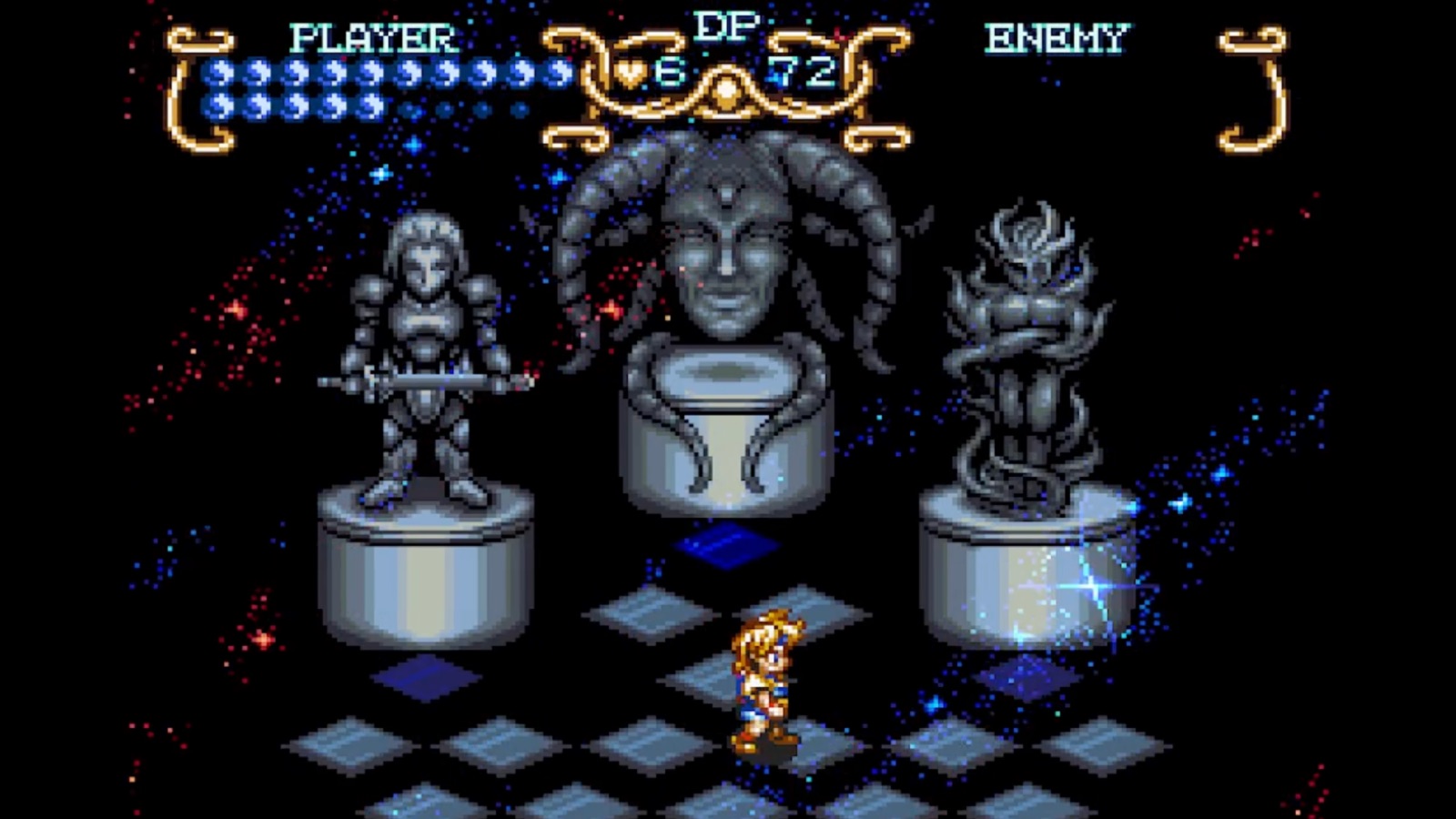
It didn’t turn into anything right away, but it opened a door. I played Illusion of Gaia a few months later, one of my favorite games from my childhood.
But emulation and cheap handhelds haven’t just gotten me playing more of what’s already in my backlog. They’ve gotten me into games I never owned as a kid, games I’ll probably never be able to afford or find now, and easier ways to play the ones I already have without having to dig the original hardware out from my closet.
The Handheld That Started It
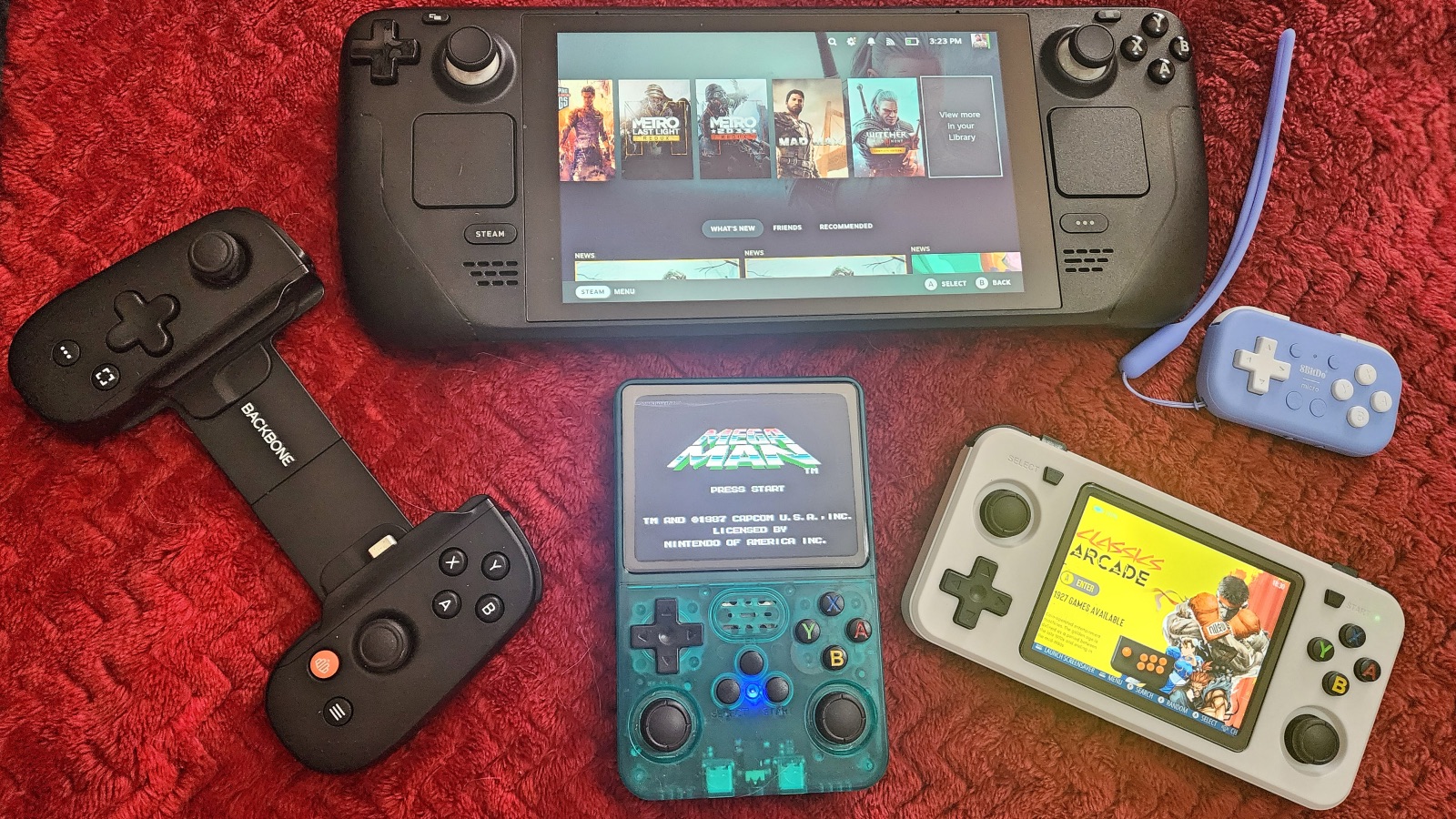
A few months ago, I picked up a cheap handheld called the R36S (that’s the green Game Boy-like device in the image at the top of the page). It comes preloaded with hundreds of games, and it gave me an idea for my YouTube channel. I’d play through as many as I could, record short clips of each one, and explain the game’s history and any interesting facts along the way.
So every night, for an hour or two, I’d work through three to five different games. I played most for around 10 to 20 minutes before I moved on. But some pulled me in enough that I’d play for 30 minutes or even an hour, and more than once I wanted to keep playing but I had to make myself stop to stay on track with my YouTube channel.
Along the way, I realized how many genuinely great games I’d missed growing up, either because they passed me by or because I was a kid without the funds to buy everything I wanted. And at today’s collector prices, I probably never will own most of those games, considering that many of the best games now often sell for hundreds of dollars. Emulation is the only realistic way I’ll ever play some of these.
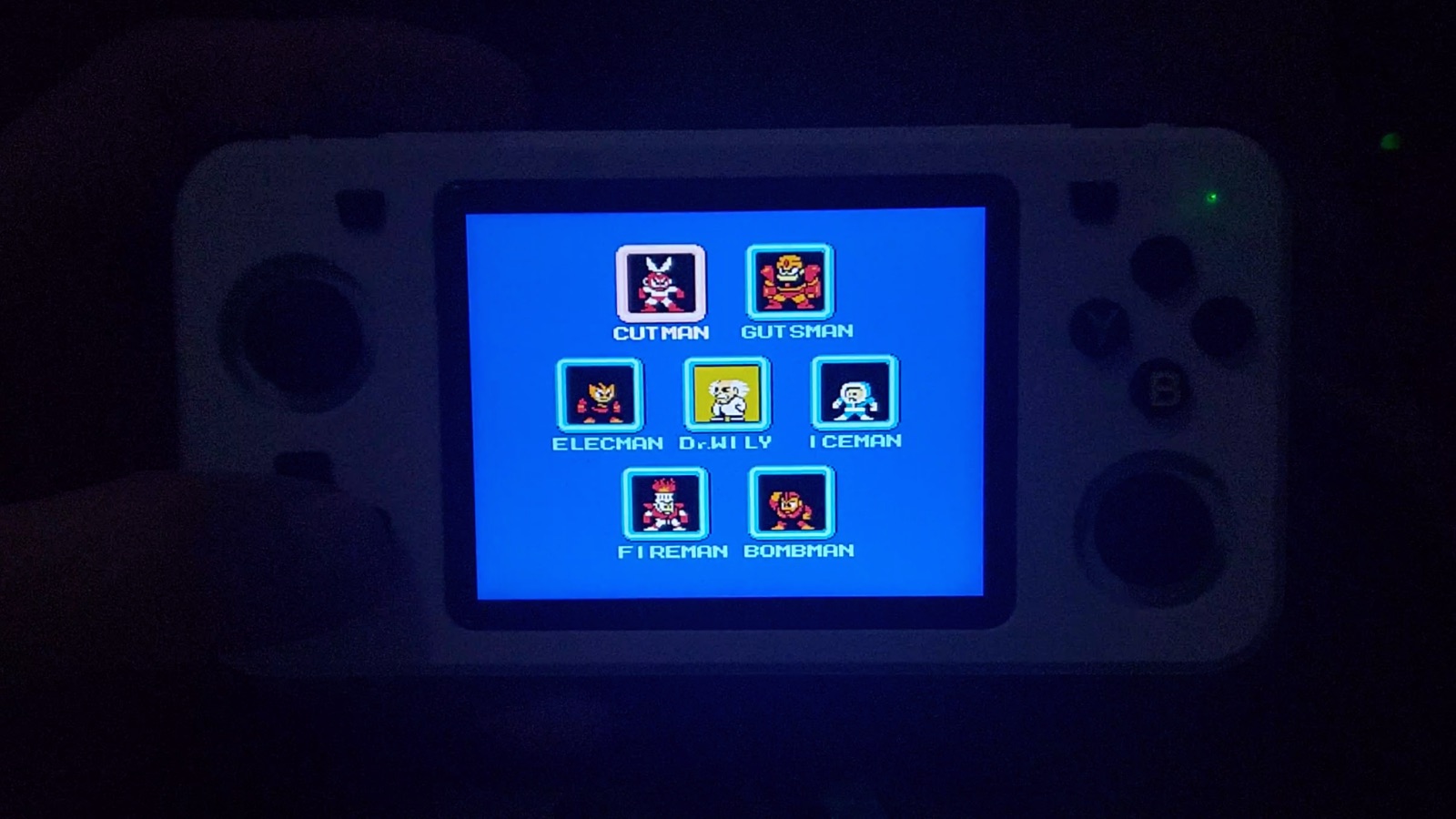
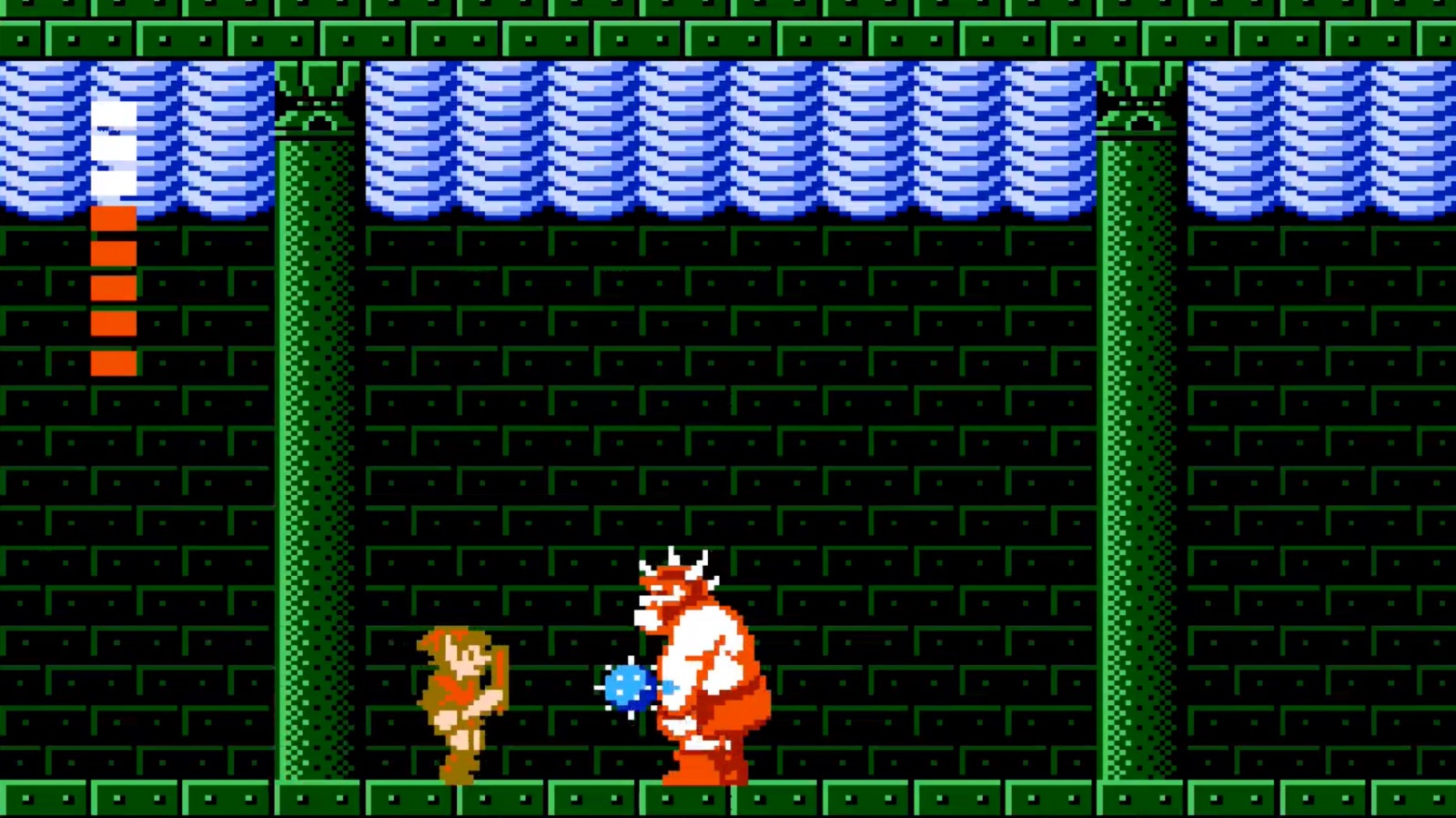
A handful of them didn’t stay confined to 20-minute clips and I went back and started playing them all the way through. Right now that’s Mega Man 1 and Zelda 2: The Adventure of Link, and I’m determined to beat both, although Mega Man 1 is questionable. I’ve been stuck on Wily’s level for weeks.
These Games Don’t Go Easy on You
The biggest challenge you’re likely to run into if you pick up retro gaming is that they’re extremely hard. Modern games can be hard too, of course, with commonly cited examples being Elden Ring and Cuphead, but with enough practice, you can “git gud”. But retro games are hard in a way that seems like the developer didn’t care if you could actually finish it. There are no guardrails to help you through. And you’ll often find yourself in situations that feel “cheap,” for example, unfairly strong enemies, knock-back hits, random patterns that can’t be learned, or even broken mechanics.
I wouldn’t say that’s good or bad. It’s a mix of both. Some sessions are frustrating enough that I’ll put a game down for days before I’m willing to try again. But sometimes it’s so bad that I give up. But if I do decide to keep going, which I usually do, there’s no way to describe the sense of accomplishment of getting past whatever had me stuck. This is true for modern games too, but it’s on a different level for retro games.
One fun part of emulation is that it gives you save states, which is something the original hardware never had. I can save right before a tough section, and if I die, I’m back there in seconds instead of starting the whole level over. It doesn’t make these games easy, but it can take away the pain of some genuinely unfair difficulty spikes and lead to actually finishing a game instead of quitting it. And if you want to play a game the way it was intended, you can do that too. I don’t use save states for all, or even most, of the games I play. I’m playing Zelda 2 right now in all of its originally-designed, hated glory — brutally difficult and a huge departure from the rest of the series.
Many of these games hold up shockingly well, decades later. Others are so bad that it’s obvious why they were forgotten. Playing retro games has given me a much better sense of how the games I grew up on shaped the ones I play today. And researching their history gave me a much deeper appreciation for how they were made, the notable names in the industry, and the challenges and technology limitations developers had to overcome.
I’m Gaming More Than Ever Now
It’s also just easier. I don’t have to dig old hardware out of storage, find the right cables and adapters, and hook it up to a TV just to play something from my own collection. I can grab a handheld off my desk and be playing in ten seconds. I still break out the original hardware sometimes, because there’s something about playing an NES on a CRT that emulation can’t replicate, but I don’t need to anymore just to play the game.
Since most of this is happening on handhelds, or on my phone with a controller clipped onto it, I can play anywhere in the house. I can take a game with me when I leave, too, instead of being tied to whatever’s hooked up to the TV. That has translated to a whole lot more gaming, and that’s what I love most about it.
I haven’t stopped collecting or playing new games. I still do both. But now I can play the games that have been sitting a while, or games I’ll never be able to afford to add to my collection. And ironically, it has even motivated me to break out some of my older systems more often. For example, I recently played GTA San Andreas on the PS2 and The Lion King on the Super Nintendo.
If it’s been a while since you’ve played something old, consider this a sign. Go get a cheap R36S/R36H from AliExpress – they go on sale for around $20-$30 every couple of weeks. Or get a fancy Ayn Thor or Retroid Pocket 5 if you’ve got the funds ($200+). If you’re technically inclined, consider installing RetroArch on your phone (it’s free).
And I implore you, don’t just play for five minutes. Pick a game with the goal to beat it. It just might change how you feel about retro games. Or if you’re old like me, it’ll remind you of how much you loved (and hated) these games when you were a kid.
If you’re interested, these were my favorite retro games from my recording sessions:
- Actraiser – SNES (1990)
- Adventure Island – TurboGrafx-16 (1991)
- Alisia Dragoon – Genesis (1992)
- Alundra – PS1 (1997)
- Demons Crest – SNES (1994)
- Ghouls ‘n Ghosts – Arcade (1988)
- Hagane The Final Conflict – SNES (1994)
- Home Improvement – SNES (1994)
- Hydlide – NES (1989)
- Princess Tomato and the Salad Kingdom – NES (1991)
- Rocket Knight Adventure – Genesis (1993)
- Skyblazer – SNES (1994)
- Strider – Arcade (1989)
- Sunset Riders – SNES (1991)
- The Legend of the Mystical Ninja – SNES (1991)
- Toki – Going Ape Spit – Genesis (1989)
- Vice – Project Doom – NES (1991)
- Violent Soldier – PC Engine (1991)