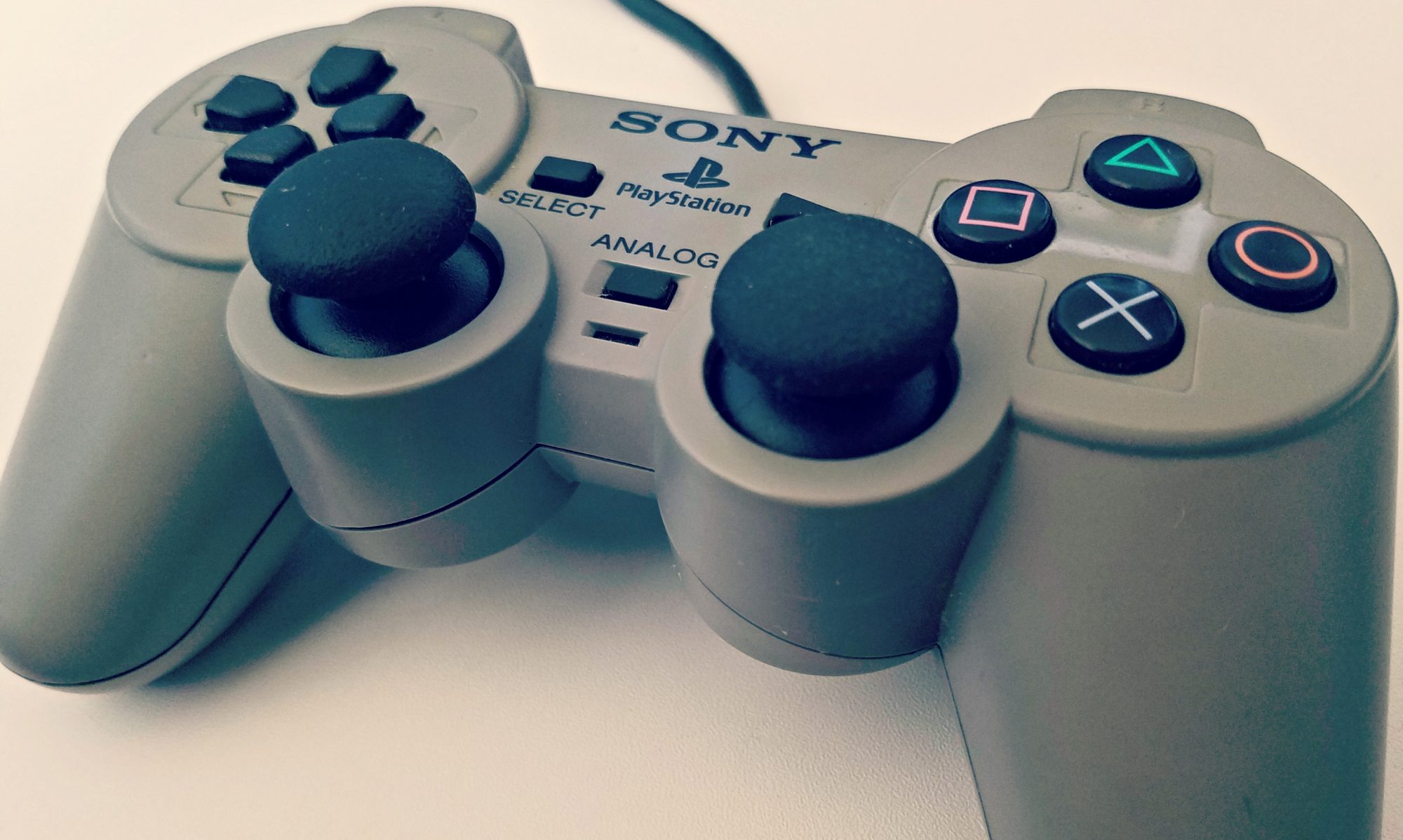
Killer Instinct Gold hit the Nintendo 64 in North America on November 25, 1996, so today it turns 30. To mark the occasion, I played it this morning and worked my way through every character on the roster (just a few fights each). I played the N64 version on an emulator.
I’ve known this game for most of my life, but I never really learned it. As a kid, I’d give the arcade cabinet a couple of tries, lose, and wander off to another game. The N64 version was the same story at friends’ houses. It was fun for 10 to 15 minutes, but I never got good or played for very long.
A Quick Bit of History
Killer Instinct Gold is Rare’s N64 port of the arcade game Killer Instinct 2, published by Nintendo. It was also Rare’s first N64 game, a year before the studio released GoldenEye 007 and two years before Banjo-Kazooie. It was meant to be one of the console’s launch titles, but it missed that window and arrived a couple of months later.
The N64 version also added modes the arcade didn’t have: two team modes (Team Battle and Team Elimination) where each player picks a squad of fighters instead of just one, Controller Pak support (handy if you wanted to take your saves, scores and settings to a friend’s house), and a training mode with tutorials. To fit everything on a cartridge, Rare rebuilt the stages in real-time 3D and cut some of the arcade’s full-motion video and announcer lines.
The roster has 10 fighters (Jago, Orchid, Combo, Glacius, Maya, Tusk, Kim Wu, Sabrewulf, Fulgore and Spinal), plus the boss, Gargos.
One fun fact is that Sabrewulf is named after the villain of Sabre Wulf, one of Rare’s early games (before Rare, when they were known as Ultimate Play the Game).
Playing It Today
I jumped into fights cold at first, which didn’t go well. The training mode ended up being the most useful part of my session, and its tutorials helped the game make a lot more sense.
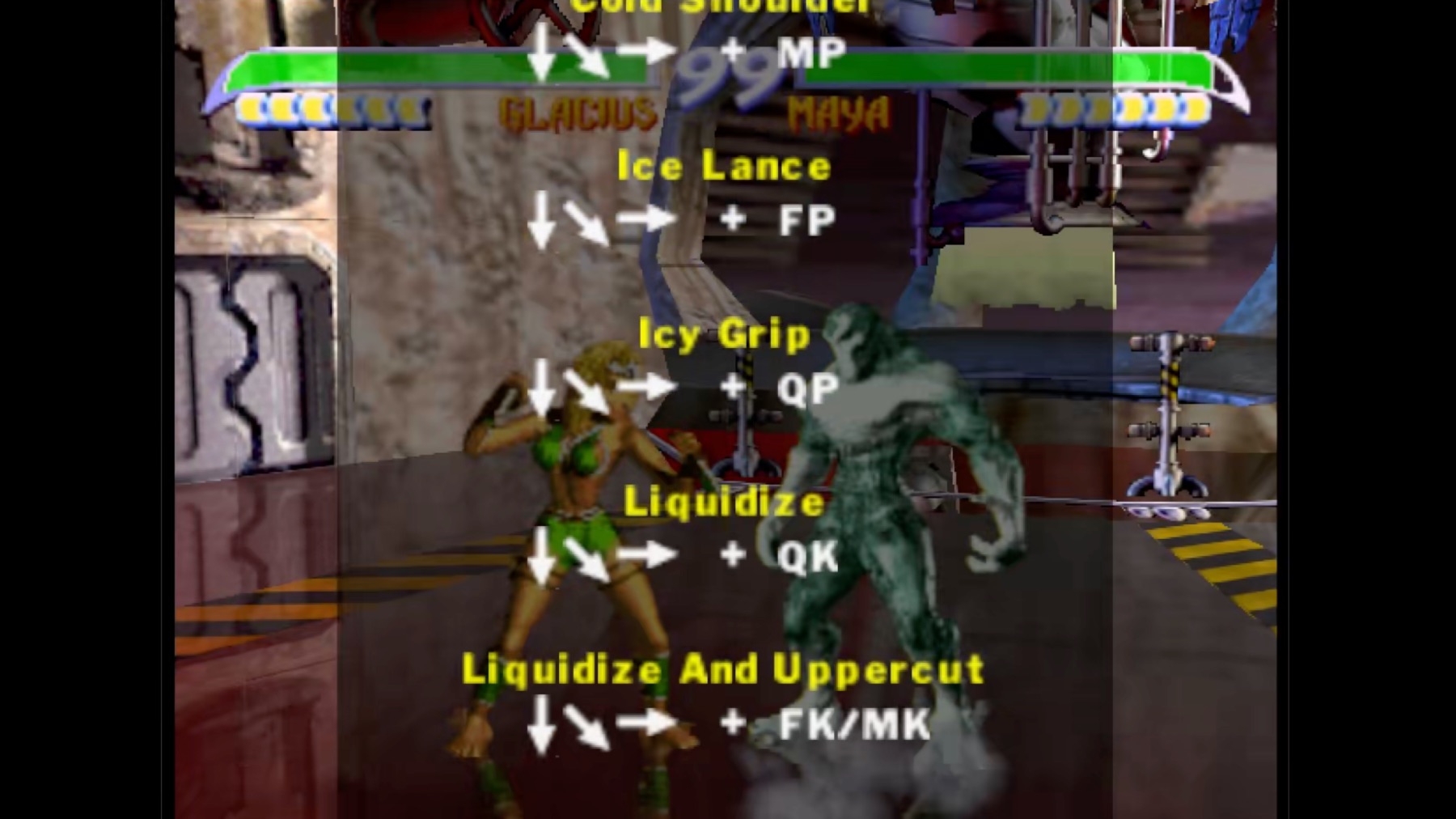
Every character has clear strengths and weaknesses, and some of them match up much better against certain opponents, at least at my beginner level. I couldn’t beat Sabrewulf until I switched to Combo. Combo got me past him, but then he felt too slow to beat anyone else.
Tournament mode makes those matchups easier to work with. When you lose, you can switch characters before you continue up the ladder, so you can pick someone who handles the opponent who just beat you.
Under the surface, there’s a lot going on. Killer Instinct built its name on combos, and it adds combo breakers on top of them, which let the player getting hit interrupt a combo and fight back. There are also linkers, which are moves that connect attacks into longer combos. The game finally clicked for me once I learned a few special attacks and started landing combos. That’s also when I realized how technical it is, and I could see how any character on the roster could be great with enough practice.
The difficulty climbs quickly. The first couple of fights in a tournament are hard enough, but you can get by with basic moves. By the third and fourth fights, that stops working, and you have to learn real moves and think about what you’re doing. I’m guessing it only gets tougher from there. This game kicked my butt, and the fourth fight was as far as I could get in Tournament mode.
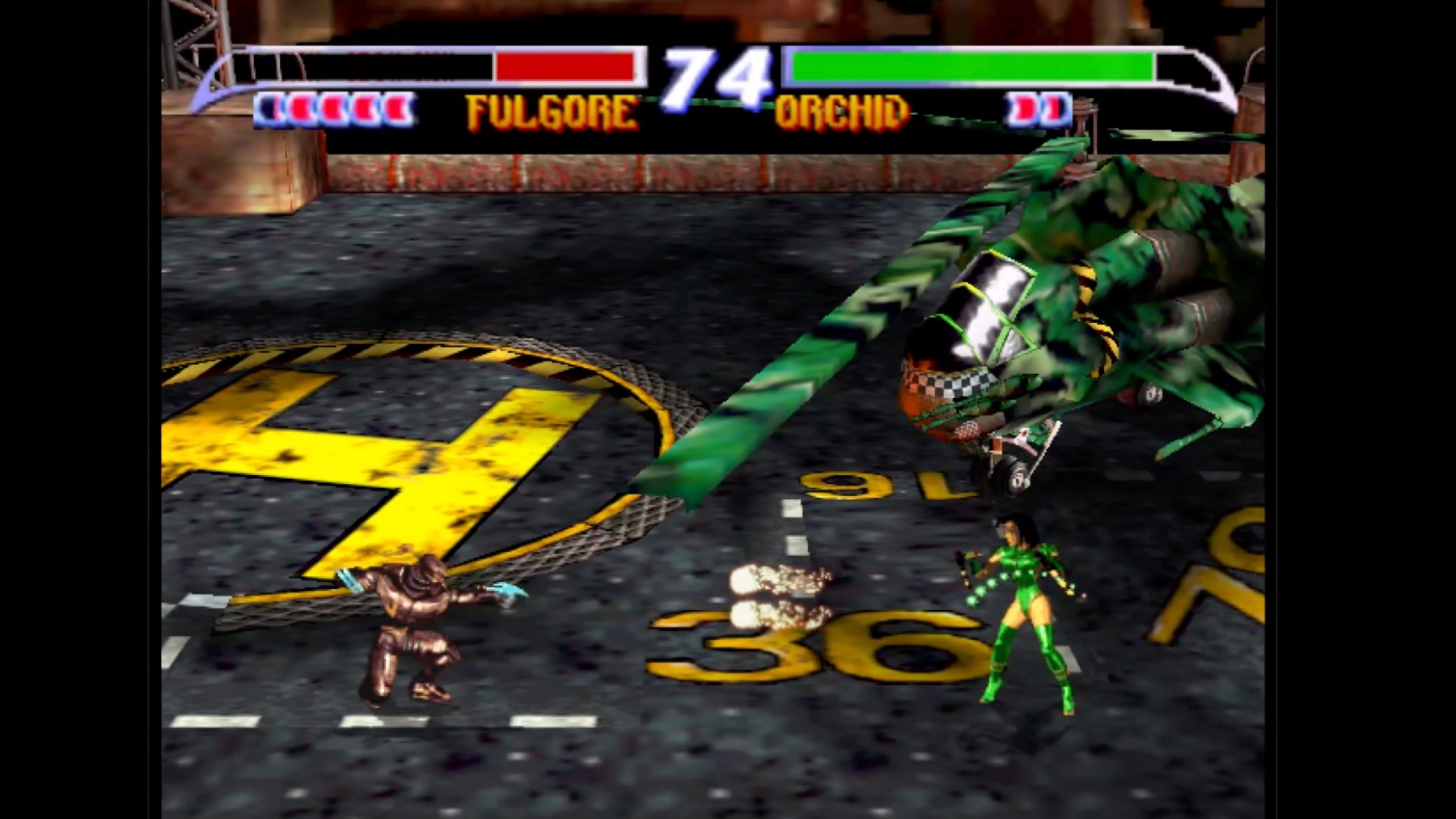
It also has some cheap moments. If you drift too far away from Orchid, she spams her fireball and you can’t get close enough to fight back. I’m sure experienced players can get around that with rolls, teleports and other moves some characters have, but as a beginner I mostly just got trapped in the corner until I lost.
The first few fights felt very slow, and I think that’s mostly because modern fighting games have changed what fast feels like. Once I started learning the moves and stringing them together, the game felt responsive and the slowness went away. Walking and jumping never sped up, though. They still feel sluggish and outdated. A run button or a double-tap dash would have been nice.
Graphics, Stages and Music
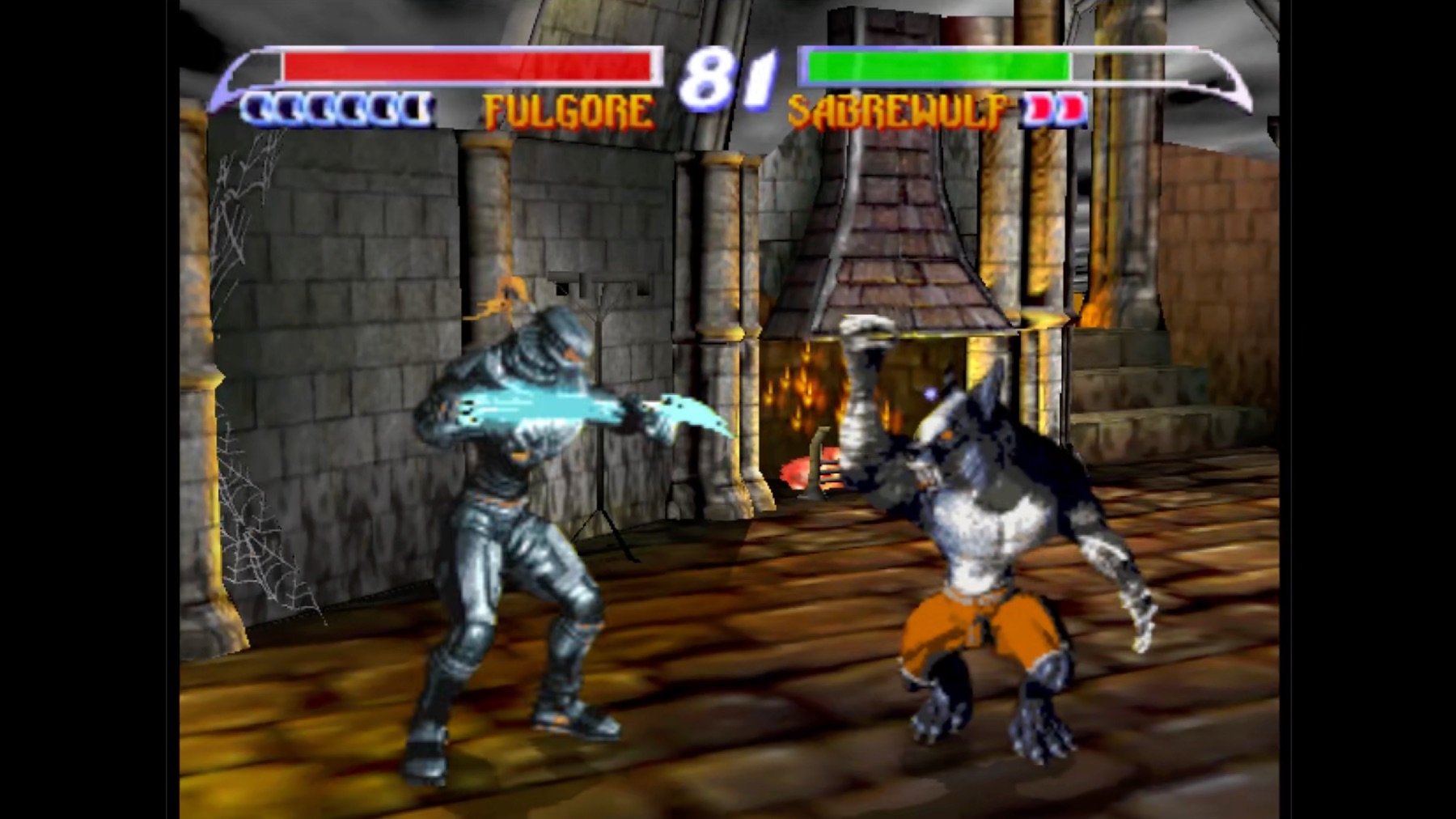
For a game from 1996, it looks impressive. It’s a little blurry in close-up shots, but the characters are detailed enough, the environments hold up well, and the effects on weapons and special moves still look good. Reviewers were split on this at launch. Some felt the graphics weren’t upgraded enough from the arcade, while others called them impressive.
The stages change as you fight, too. You can break down walls, and on some stages you can knock your opponent off the edge, which was really cool.
The music is good, though a little cheesy. It reminds me of the old Angelina Jolie Tomb Raider movie, because it sounds like techno action movie music. It’s never distracting or annoying, though, and each song matches its stage well. From what I’ve read, a lot of fans loved this soundtrack. I think the cheesiness is probably just because it’s music from the ’90s.
Does It Hold Up?
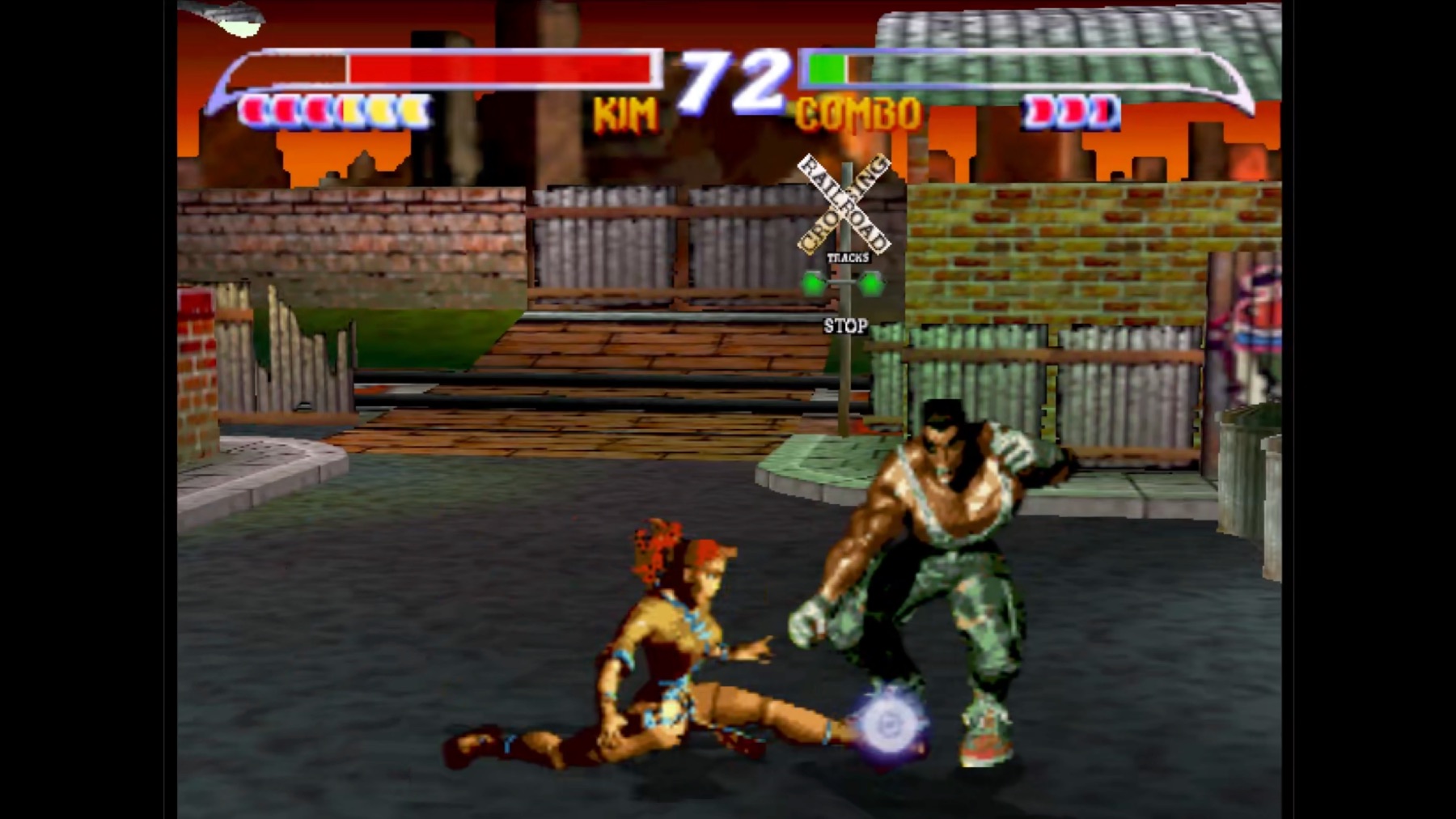
Killer Instinct Gold still holds up. Fighting game fans will love it, especially anyone willing to put in the time to learn the advanced techniques. It’s a tough game to get into, though, and if you don’t already like fighting games, it probably won’t win you over. It feels like it was made for hardcore fighting game players, not casual gamers.
If you want to play it today, an original N64 cartridge runs about $35 loose on eBay. You can also get it in the Rare Replay collection on Xbox, which costs $30 but is often on sale, or play it through Game Pass.
Did you play Killer Instinct Gold back in the day? Did you actually learn the combos, or were you like me and gave up after a couple of tries? Let me know who your main was.